
OFW Guide: 5 Things to Check Before Buying a House in Cebu
July 31, 2026
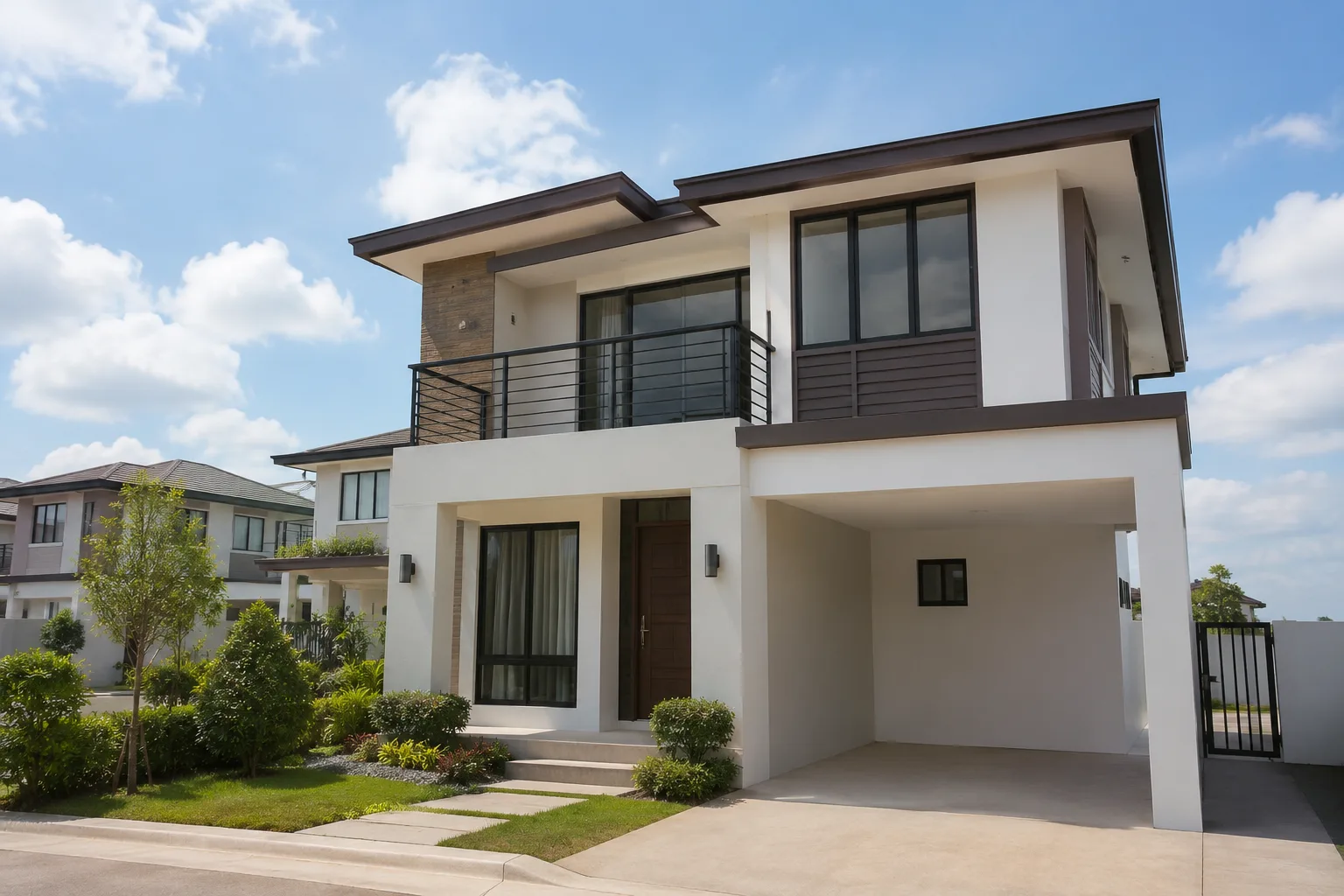
OFW Guide: 5 Things to Check Before Buying a House in Cebu
For many Overseas Filipino Workers (OFWs), owning a home in Cebu is more than just an investment—it's a dream of coming home to a place they can truly call their own. With Cebu's growing economy, improving infrastructure, and increasing property values, it's no surprise that many OFWs choose the province as their preferred location for real estate investment.
However, buying a house while living overseas comes with unique challenges. Since you can't personally inspect every property or meet every developer, it's important to conduct careful research before making a decision.
Here are five essential things every OFW should check before buying a house in Cebu.
1. Verify the Developer's Reputation
The first step is choosing a trusted and reputable real estate developer.
A reliable developer has a proven track record of completing projects on schedule and delivering quality homes. Before making a reservation, take time to research:
Completed projects
Customer reviews
Years in the industry
Awards and recognitions
After-sales service
Established developers generally provide better buyer protection and are more likely to fulfill their commitments.
Tip: Ask your real estate agent for completed project references or schedule a virtual property tour.
2. Check the Property Location
Location remains one of the biggest factors affecting both your lifestyle and future property value.
Ask yourself:
Is the property close to schools?
Are hospitals nearby?
Is it accessible to major roads?
Is public transportation available?
Are malls, supermarkets, and business districts within reach?
If you're buying the property as an investment, consider areas with ongoing infrastructure developments and increasing demand.
Popular residential locations in Cebu include:
Cebu City
Mandaue City
Talisay City
Lapu-Lapu City
Consolacion
Minglanilla
Cordova
Properties in growing communities often have stronger appreciation potential over time.
3. Understand the Total Cost of Ownership
Many first-time buyers focus only on the monthly amortization.
In reality, owning a home involves several additional costs, including:
Reservation fee
Down payment
Monthly amortization
Bank financing charges
Transfer taxes
Registration fees
Insurance
Homeowners' association dues
Maintenance expenses
Understanding the complete financial picture helps you avoid unexpected expenses later.
Always request a complete computation from your agent before making any payment.
4. Review the Property Documents Carefully
Never purchase a property without verifying its legal documents.
Important documents may include:
Transfer Certificate of Title (TCT)
Condominium Certificate of Title (for condos)
License to Sell (LTS)
Development Permit
Contract to Sell
Reservation Agreement
If buying a resale property, ensure that:
The title is clean.
Property taxes are updated.
There are no legal disputes or liens.
Taking time to review documentation can save you from costly legal problems in the future.
5. Work with a Licensed Real Estate Professional
Buying property while overseas requires someone you can trust.
A licensed real estate broker or accredited salesperson can help you:
Explain the buying process
Recommend suitable properties
Arrange virtual site tours
Coordinate document signing
Assist with financing
Provide after-sales support
Working with experienced professionals reduces risks and makes the buying process much smoother, especially when you're managing everything from abroad.
Why Cebu Continues to Attract OFW Homebuyers
Cebu has become one of the Philippines' most attractive real estate markets because of its strong economic growth and high quality of life.
Benefits include:
Expanding business districts
Growing tourism industry
International airport access
Modern healthcare facilities
Excellent schools and universities
Continuous infrastructure improvements
Strong rental demand in key areas
Whether you're buying your forever home or building your investment portfolio, Cebu offers excellent long-term potential.
Final Thoughts
Buying a house in Cebu is one of the biggest financial decisions you'll ever make. As an OFW, your hard-earned savings deserve careful planning and informed decision-making.
Before signing any reservation agreement, take time to verify the developer, evaluate the location, understand the total costs, review the legal documents, and work with trusted real estate professionals.
Doing these five simple checks can help protect your investment and give you greater confidence in your home-buying journey.
If you're ready to explore houses in Cebu, take the time to compare your options and seek professional guidance. The right property today can become a valuable asset for you and your family's future.